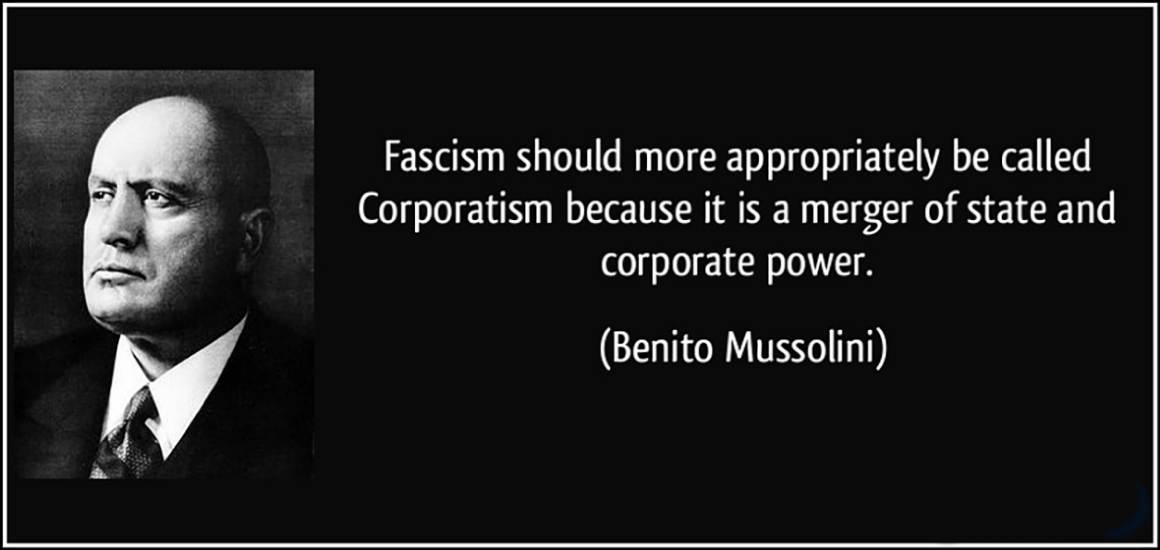
What is Fascism? Is it here in America?
Fascism promoted corporatism, where private property and profit motives persisted under heavy state direction, blending elements of capitalism and socialism without fully embracing either. Policies like protectionism, subsidies for favored firms, and suppression of unions aimed at national self-sufficiency, not economic theory as the foundation. Mussolini initially favored free enterprise but shifted to interventionism for political control.
What were the differences between Fascism and Nazism?
Nazism is a specific form of fascism that incorporates extreme racial ideology, while fascism is a broader authoritarian nationalist movement without a central focus on race.
Core Similarities:
Fascism and Nazism both reject democracy, liberalism, and Marxism, emphasizing totalitarian control, hyper-nationalism, militarism, and a single-party state led by a dictatorial leader. They promote corporatism, where the state directs the economy through controlled syndicates or corporations, and use paramilitary forces to suppress opposition. Both emerged in interwar Europe, with fascism originating in Italy under Mussolini (1919–1945) and Nazism in Germany under Hitler (1933–1945).
Key Differences:
• Racial Ideology: Fascism prioritizes the state and national unity without inherent racism, viewing the state as an "organic" entity above all; Nazism centers on Aryan racial superiority, antisemitism, eugenics, and genocide, making race the ultimate goal over the state.
• Social Structure: Fascism preserves class hierarchies and allows limited social mobility through corporatism; Nazism rejects class divisions to unify the "master race," using the state as a tool for racial expansion like Lebensraum.
• Terror and Expansion: Nazi Germany relied heavily on the SS and Gestapo for systemic terror and pursued racial conquest; Fascist Italy used less intense repression and focused on imperial prestige rather than genocide.
Historical Examples:
Mussolini's Italy exemplified fascism through state corporatism and nationalism without racial extermination. Hitler's National Socialist German Workers' Party added völkisch racism and led to the Holocaust. Franco's Spain showed fascist traits like authoritarianism but lacked Nazism's racial extremism. Therefore, Hitler's form of Fascism was more severe, extreme and deadly.
How does Trump's ICE compare to Hitler's Gestapo?
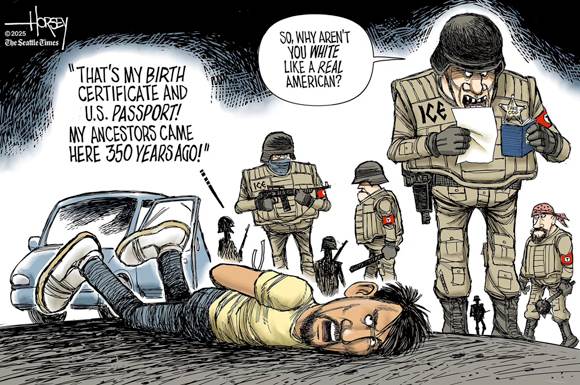
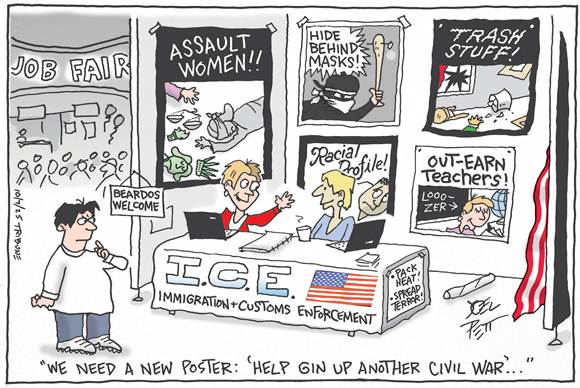
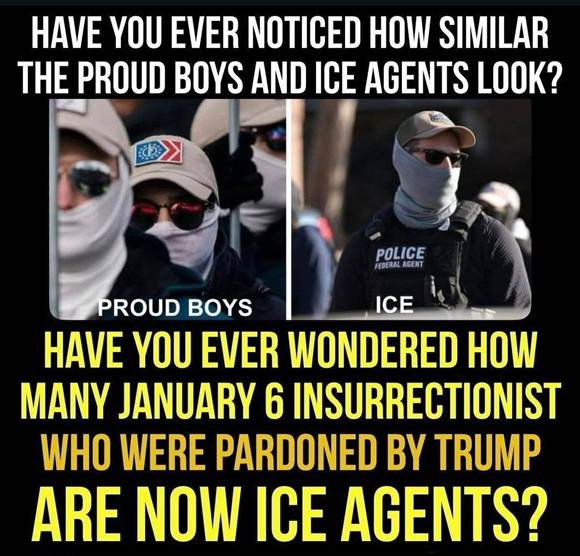
Critics highlight ICE's rapid workforce expansion and recruitment tactics as resembling Nazi Einsatzgruppen mobile killing units, citing bureaucratic scaling to deport millions of Latinos framed as "poisoning the blood" of the nation. Raids by armed agents without warrants, entering buildings in tactical gear, evoke Gestapo-style operations, with goals escalating from hundreds to 1,200-1,500 daily arrests. Detention centers face reports of extreme heat, inadequate medical care, family separations, and indefinite confinement, drawing parallels to early Nazi control tactics like isolation of "undesirables."
Key Cited Practices
• Recruitment and Scaling: ICE's push to hire thousands mirrors Nazi administrative normalization of mass actions.
• Raid Tactics: Agents in battlefield gear conducting warrantless entries and chaining deportees.
• Detention Conditions: Overcrowding, poor sanitation, deaths from neglect, and profit-driven private facilities akin to initial Nazi ghettos.
• Rhetoric: Dehumanizing language targeting specific ethnic groups.
Historical Context and Limits
These comparisons come from politicians like Governors Walz and Pritzker, who liken ICE to the Gestapo for eroding due process amid aggressive enforcement. Historians and critics note surface-level echoes in enforcement intensity but stress no equivalence to Nazi extermination intent or total state control.

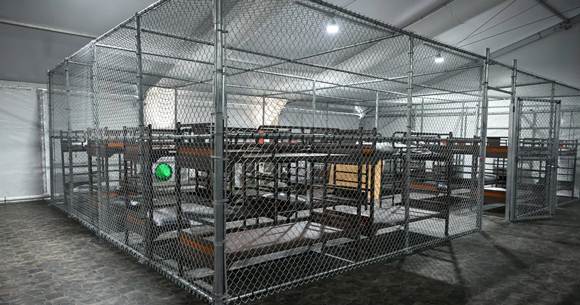

Alligator Alcatraz in the Everglades of Florida
Alligator Alcatraz in the Everglades of Florida
How cruel, immoral, terroristic is it to ship people to contientents they have never been to?
U.S. Immigration and Customs Enforcement (ICE) has deported individuals to African countries like Ghana, Eswatini, and South Sudan where they have no prior connections or citizenship, often as "third-country nationals" when their home nations refuse repatriation.
Key Incidents
In September 2025, ICE sent 13 Nigerians and one Gambian to Ghana on a U.S. military cargo plane; deportees reported learning their destination only mid-flight and lacking ties to the country. Eswatini received groups in May and October 2025, including people from Cambodia, Chad, Cuba, the Philippines, and Vietnam under a $5.1 million U.S.-funded deal for up to 160 such deportees. These operations sometimes use flights with disabled transponders, drawing criticism for lacking due process and resembling "chain refoulement," where deportees risk further removal to dangerous origins.
Policy Context
The Trump administration defends these deportations as necessary when origin countries decline acceptance, expanding to secretive military flights amid pressure on African governments. Human rights groups and lawyers challenge them legally, citing risks of torture or poor conditions in destinations with weak records, though some deportees have later been sent home. This aligns with broader 2025 enforcement surges, including targeting Somali communities.
DOES THIS KIND OF SHIT PISS YOU OFF? THEN YOU ARE PROBABLY ANTIFA!